Supporting Students with Dyslexia Through Structured Literacy
Students with dyslexia can become skilled readers when instruction is structured, explicit, and grounded in the science of reading. Explore dyslexia interventions and solutions that put research into practice to help students thrive.
Students with Dyslexia Can Thrive
Dyslexia is a specific learning disability characterized by difficulties with word reading and spelling that involve accuracy, reading speed, or both. Students with dyslexia can make meaningful progress when instruction is explicit, systematic, cumulative, and aligned with the science of reading.
Early identification and targeted intervention give students the strongest start, and language and literacy support in the early years of school is particularly effective. Support at any age can make a significant impact.
While dyslexia primarily affects word reading and spelling, its effects can influence other aspects of literacy as academic demands increase. As students progress through school, they may benefit from continued support in areas such as fluency, vocabulary, written expression, and comprehension of increasingly complex text.
What Instruction Helps Students with Dyslexia?
Research supports Structured Literacy approaches, including Orton-Gillingham-based programs, that teach reading explicitly, systematically, and cumulatively. Effective instruction integrates oral language, reading, and writing to develop phonemic awareness, phonics skills, morphological awareness, vocabulary, and comprehension, and includes sufficient reading and writing practice opportunities. Ongoing assessment and targeted feedback help teachers respond to each student’s needs.
Multisensory techniques can further support learning by engaging visual, auditory, kinesthetic, and tactile senses together to reinforce new concepts and skills.

Systematic, Cumulative Sequence

Explicit Instruction in Phonemic Awareness, Phonics, and Morphology

Multisensory Supports

Practice with Feedback
Solutions That Put Research into Practice
The reading intervention and instructional solutions below are designed to bring this kind of instruction into classrooms, supporting students with dyslexia from foundational phonics and decoding through multisyllabic word study.
Teachers can get started quickly with flexible professional learning options and ongoing support designed to increase instructional confidence and implementation fidelity.

Tier 3 & SPED | Grades PreK–8 | ESSA Level 3
SPIRE Up
Blended Structured Literacy intervention that pairs teacher-led, Orton-Gillingham-based instruction with online practice and embedded assessment to help striving readers, including students with dyslexia, build foundational skills.
Tier 3 & SPED | Grades PreK–8 | ESSA Level 1
SPIRE 4th Edition
Intensive print-based Structured Literacy intervention grounded in the Orton-Gillingham approach. Builds foundational reading skills through teacher-led, multisensory instruction.
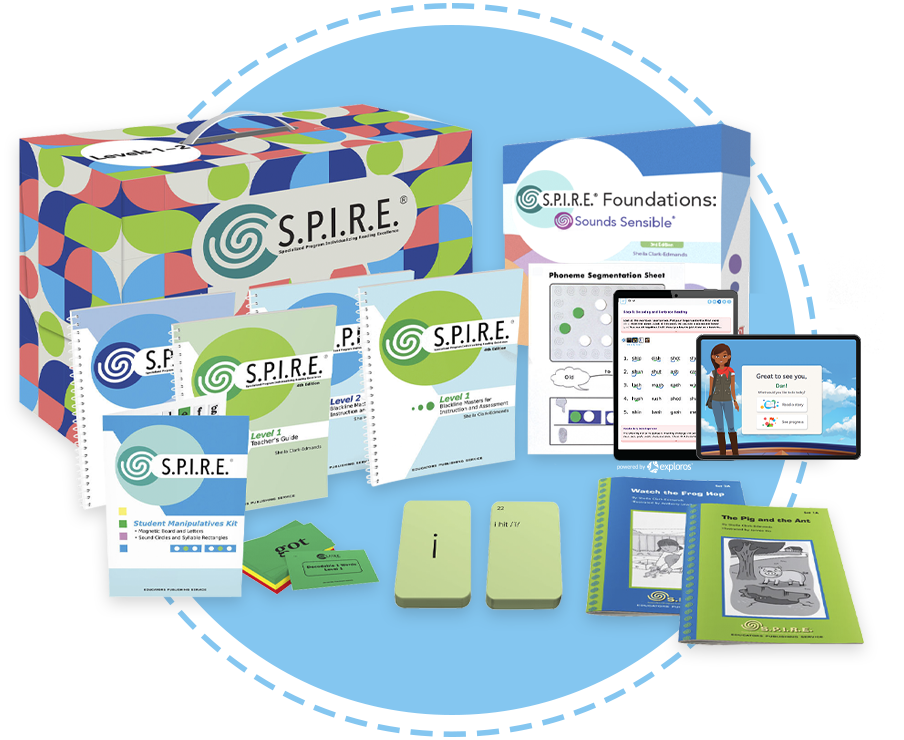
Tiers 1, 2, 3 & SPED | Grades PreK–4
SPIRE Foundations: Sounds Sensible
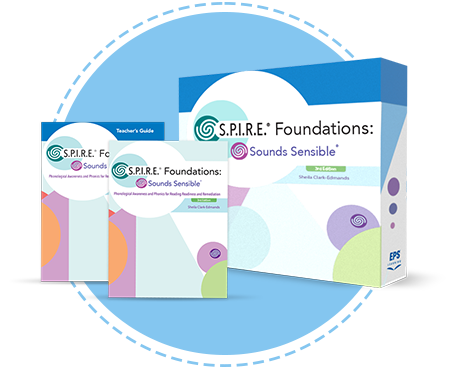
Helps students with dyslexia build skills in phonics, phonemic awareness, and handwriting through multisensory, explicit instruction. Functions as the foundational level for SPIRE, supporting students as they progress into SPIRE 4th Edition.
Tiers 1, 2, & 3 | Grades K–8
SPIRE Illustrated Decodable Readers

Provides structured opportunities to apply newly learned phonics skills in connected fiction and non-fiction text, building accuracy, fluency, and confidence.
Tier 2 | Grades 4–12
Megawords
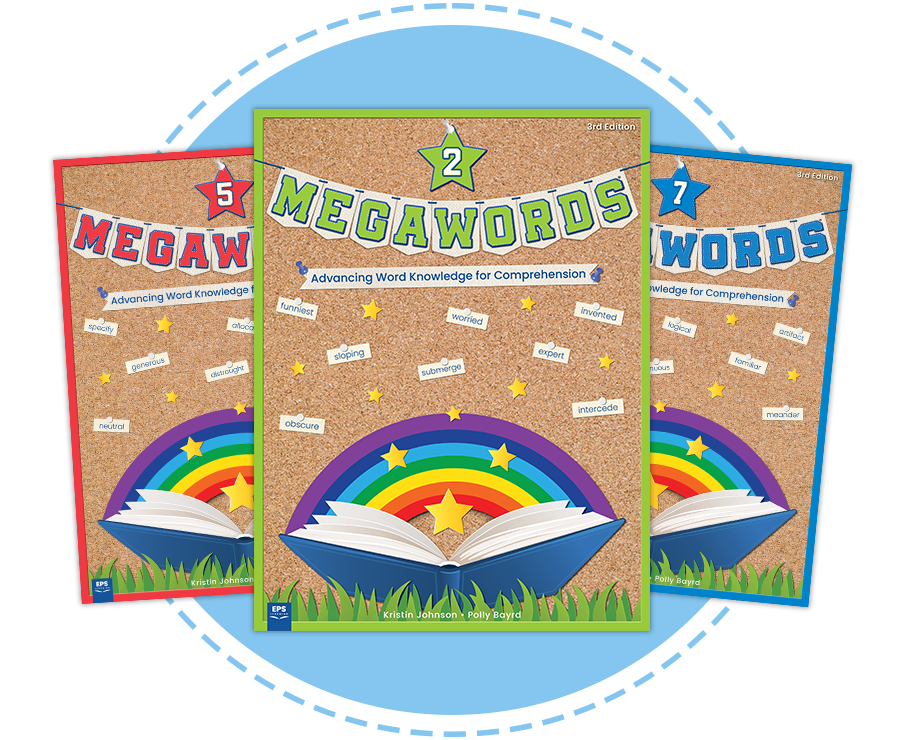
Advanced word-study intervention provides explicit instruction in morphology, multisyllabic word reading, and spelling to strengthen word-reading automaticity, vocabulary, fluency, and comprehension.
Tiers 1, 2, & 3 | Grades K–2
Readfetti Decodable Readers
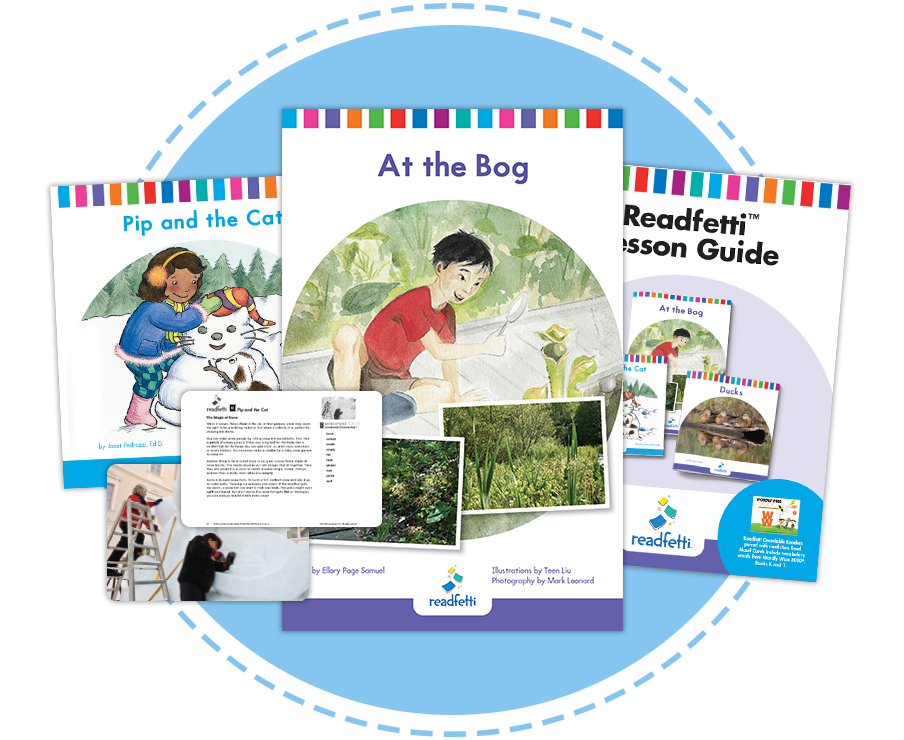
Science of reading-aligned decodable texts provide opportunities to apply emerging phonics and decoding skills while supporting oral language, vocabulary, and comprehension development.