
Summer Learning Hub
Find the Right Summer Literacy Support for Every Student
Targeted literacy solutions to help striving readers make meaningful progress this summer.

Match Students with the Right Kind of Reading Support
Summer programs are a great opportunity to accelerate reading growth—especially for students who’ve not yet crossed the decoding threshold or need extra support.
Start building your plan by identifying the type of reading support students need most. The Simple View of Reading offers a helpful way to determine whether students need decoding support, comprehension support, or both, making it easier to match each student with the right intervention pathway.
Learning to Read: Students Below the Decoding Threshold

Strengthen Decoding and Foundational Skills
MTSS Tier 2 | Grades 3–5 & 6–8
Reading Accelerator’s Structured Literacy approach builds essential decoding, accuracy, and fluency skills for striving readers who need foundational support.
Special print-only version available for summer programs.
Reading to Learn: Students Above the Decoding Threshold
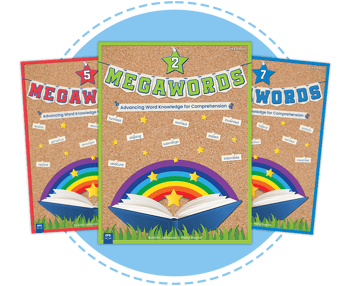
Unlock Multisyllabic Words
MTSS Tier 2 | Grades 4-12
Advanced word study through Megawords helps students tackle complex, multisyllabic words to expand academic vocabulary, increase fluency, and bolster comprehension.
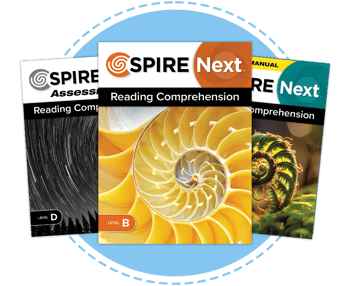
Develop Strategic Readers and Critical Thinkers
MTSS Tier 2 | Grades 3–12
Close reading instruction in SPIRE Next enables students to deepen comprehension as they analyze text, think critically, and respond with clarity.
Looking for more ways to support students this summer?
Explore additional literacy programs and targeted math supports for summer learning.
Order Materials for Summer Learning
Visit our online store to order the literacy materials needed before your summer program begins.
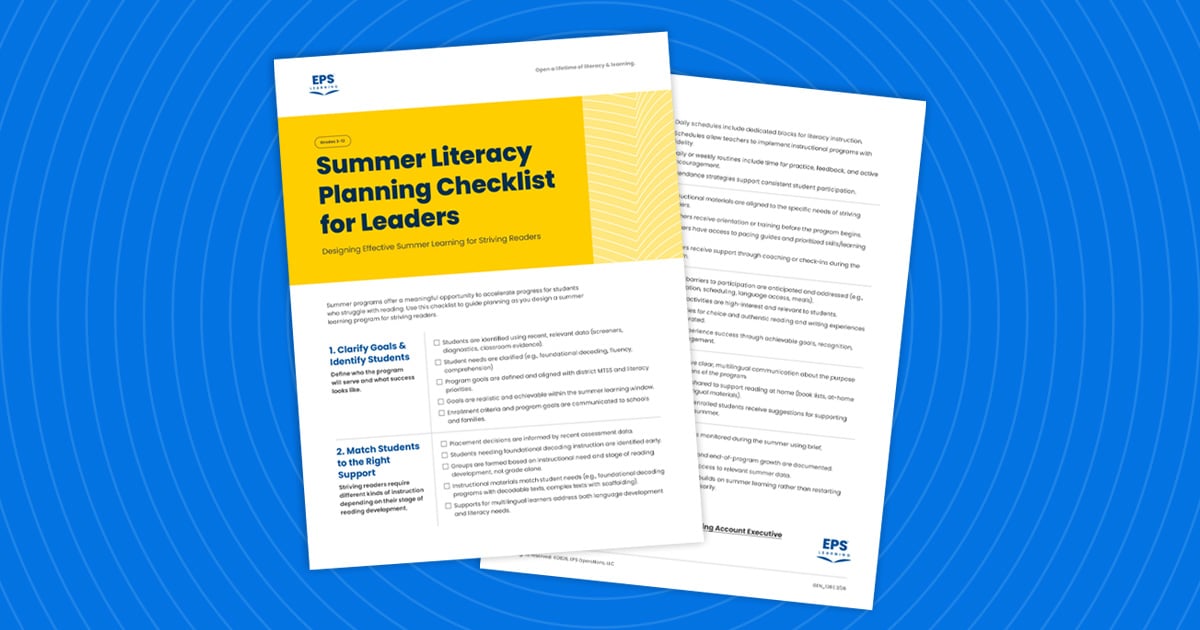
Use our Summer Literacy Planning Checklist for Leaders to guide your team’s approach to summer programming. It’s a clear, easy-to-use resource that helps ensure striving readers get well-considered support.
Matching Students with the Right Reading Intervention—Before and Beyond the Decoding Threshold
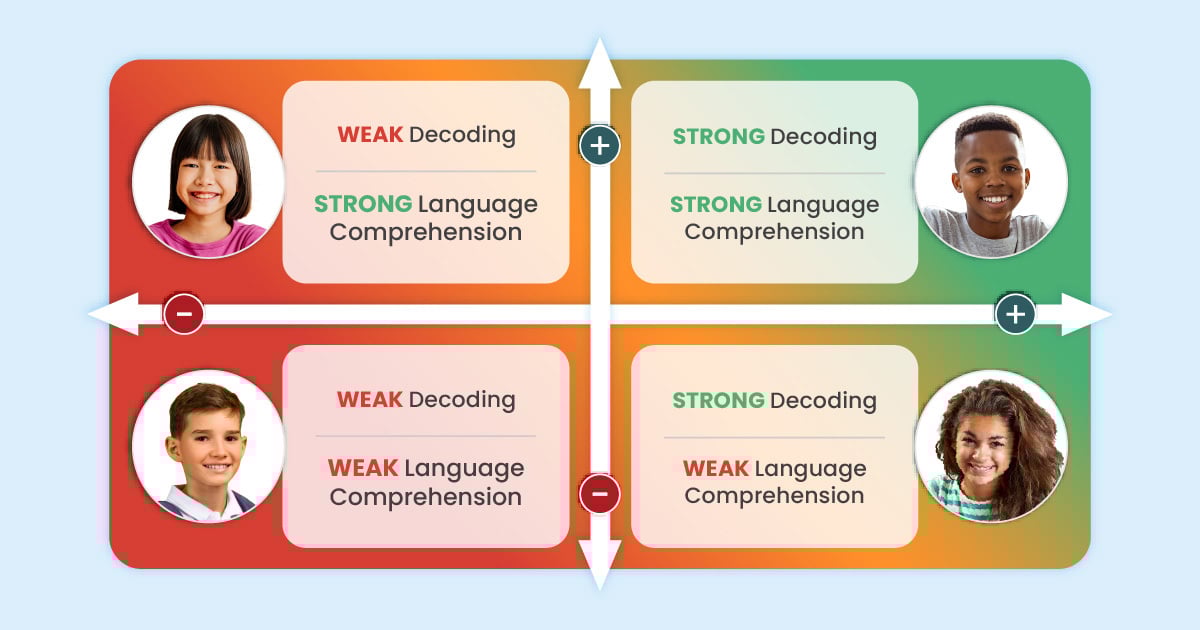
Behind every test score is a student with a story—and a future. That’s why a reading intervention-matching framework grounded in the Simple View of Reading can be powerful. It moves educators beyond guesswork or blanket protocols, helping them pinpoint what each student needs most right now.
More About the Decoding Threshold
Explore the Decoding Threshold:
-
It can be helpful to review recent screening, diagnostic, and classroom data to identify students for reading intervention programs over the summer. Students already receiving Tier 2, Tier 3, or special education support often benefit from targeted instruction before a new school year begins.
Once students have been identified for participation in a summer learning program, it is important to ensure they are matched with the type of reading intervention that best meets their needs, based on their current stage of reading development.
-
The decoding threshold is typically reached once a student can recognize almost all words accurately and automatically while reading third-grade-level text aloud. The Decoding Threshold Quick Check can help educators make this determination.
Students below the decoding threshold benefit from Structured Literacy instruction focused on decoding and fluency—for older striving readers, this is often delivered through Tier 3 intervention or special education support. Students above the decoding threshold are usually ready for comprehension-focused intervention and advanced word study, including deeper work with morphology and multisyllabic words.
-
Aligning summer learning programs to your district’s existing MTSS or RTI framework can be a useful organizing principle. Summer learning can reinforce Tier 2 intervention or provide more intensive Tier 3 or special education support. When greater support is needed, consider allocating additional instructional time each day so students with significant literacy learning needs can benefit from consistent intensive support.
Consider reviewing the Summer Literacy Planning Checklist for Leaders as you design summer learning programs for striving readers.
-
Many districts can launch an effective summer reading program even within a short planning window. Programs with structured lessons, pacing guides for summer schedules, and ready-to-use materials make it easier to deliver Tier 2 and Tier 3 reading intervention quickly while maintaining instructional quality.
-
Even in a short summer literacy program, educators can monitor progress through oral reading fluency (words correct per minute), decoding accuracy, vocabulary growth, and comprehension checks. Many districts rely on familiar reading assessments (e.g., DIBELS) or progress data gathered from the chosen reading intervention program.
-
Families can help maintain momentum by encouraging students to read regularly, talk about books, and explore ideas together. Routines such as a daily reading time when parent or guardian and child take turns reading, visits to the library, or conversations about stories and topics of interest can strengthen vocabulary, background knowledge, and comprehension throughout the summer.